Last reviewed
Best Sync Licensing Companies 2026: 10 Music Licensing Companies Compared by Real Payouts
The "best" depends on what you're doing
The honest answer to "what's the best music licensing company?" is: depends on whether you're a filmmaker looking for music, a YouTuber needing royalty-free tracks, a working composer pitching for placements, or an established artist looking for an agency.
This guide is for working composers. Before diving in, if you're also looking for the pitching toolkit side, see how to pitch music supervisors in 2026 and how to share music playlists professionally. The 10 companies below cover the spectrum — from subscription royalty-free catalogs paying small per-stream rates to boutique sync agencies pitching prestige TV cuts. Each one fits a specific career stage and a specific kind of music.
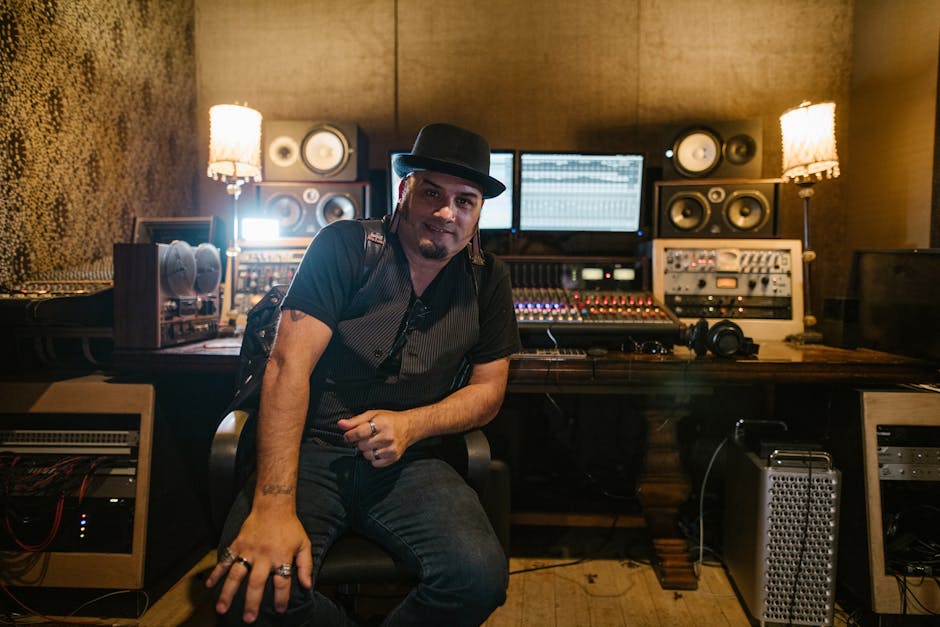
How to read this list
Each company gets the same honest treatment:
- What they do — catalog, agency, library, marketplace
- Cut they take — your share of every license fee
- Who they're right for — career stage and music style
- What to watch out for — the realistic downside
No company is "best" in the abstract. The right one depends on what you write, where you are, and what trade-offs you're willing to take.
The 10 at a glance
The short answer. The best sync licensing company for a working composer is the one whose model matches the music: Tonal Chaos Trailers or Position Music for cinematic trailer cues, Outsider Music for broadcast TV and ad cues, Musicbed, Marmoset or Pusher for distinctive artist material aimed at prestige TV and brand work, and Artlist, Epidemic Sound, PremiumBeat or Songtradr for volume. Every one of them takes a cut, usually 30 to 50 percent of the sync fee, and the agencies also want exclusivity. The composers who earn most combine one or two of these with direct pitching they run themselves, which is what DropCue is for.
| Company | Model | What the composer gets | Open to submissions? | Best for |
|---|---|---|---|---|
| Tonal Chaos Trailers | Premium trailer music library | Per-placement fees on theatrical and streaming trailers | Yes, curated and selective | Epic hybrid orchestral, cinematic action, sci-fi, drama |
| Outsider Music | Production music library (TV and ads) | Per-placement fees plus broadcast backend | By invitation | Broadcast-ready cues across genres |
| Artlist | Subscription royalty-free catalog | Paid per track licensed, varies by tier | Yes, highly competitive | Steady small payouts at volume |
| Epidemic Sound | Subscription royalty-free catalog | Per-stream royalties plus flat fees | Yes, deals are usually exclusive | Creator and YouTube volume |
| Musicbed | Curated catalog with active pitching | 40 to 50 percent of each license | Application, long queue | Premium cinematic and brand work |
| PremiumBeat | Royalty-free curated catalog (Shutterstock) | Paid per license | Yes | Small-budget productions, steady volume |
| Marmoset | Boutique sync agency and catalog | About 50 percent of each license | Very selective | Distinctive artist material, prestige ads and TV |
| Songtradr | Open marketplace plus curated tier | 30 to 50 percent of each license | Yes, low friction | Broad genre acceptance, one channel among many |
| Position Music | Sync agency | About 50 percent of each license | Closed-ish, needs prior placements | Established composers, major TV and trailers |
| Pusher | Boutique sync agency | 40 to 50 percent of each license | Very selective, roster cap | Prestige TV cuts (The Bear, Atlanta) |
Who is currently open, what each wants in a submission, and how to send it: 18 music licensing companies accepting submissions in 2026. What the placements pay, by project type: sync licensing rates.
1. Tonal Chaos Trailers
Type: Premium trailer music library Specialty: Theatrical movie trailers, streaming TV promos (Netflix, HBO, Apple), AAA video game trailers Best for: Composers writing premium epic hybrid orchestral, cinematic action, sci-fi, drama for high-end theatrical placements Watch out for: Highly selective on quality and genre fit — not the right home for indie singer-songwriter material
Tonal Chaos Trailers is a curated trailer music library focused exclusively on the highest-end placements. If your music sounds like it belongs in a Marvel teaser or a Netflix prestige drama promo, this is one of the better targets. If you're writing folk, jazz, or singer-songwriter material, look elsewhere.
2. Outsider Music
Type: Production music library focused on TV and advertising commercials Specialty: Broadcast-ready cues for episodic TV, reality TV, and ad campaigns Best for: Composers writing across genres for the broad TV/ad placement market Watch out for: Submission relationships are by invitation rather than open form
Outsider Music focuses on the TV and ad placement market — different home than trailer music. If your strength is tight, broadcast-ready cues across multiple genres rather than epic theatrical pieces, this is the better fit between Marc's two catalogs.
3. Artlist
Type: Subscription-based royalty-free catalog Cut: Composers paid per-track-licensed (varies by tier) Best for: Filmmakers and content creators wanting unlimited royalty-free music for one annual fee. For composers, steady (smaller) payouts at high volume. Watch out for: Subscription model means lower per-license fees than traditional sync. Highly competitive submission for composers.
Artlist has dominated the YouTuber and indie filmmaker market for the past 5 years. For composers, signing with Artlist means giving up exclusive control of submitted tracks in exchange for a steady passive income stream — provided your music gets used at scale.
4. Epidemic Sound
Type: Subscription-based royalty-free catalog (Stockholm-based) Cut: Composers paid by stream + flat fees Best for: YouTubers and creators needing one-stop music for unlimited use. Composers earn royalties when their tracks get used in monetized content. Watch out for: Composer deals are typically exclusive — your music is only available through Epidemic. Per-stream payouts are real but small unless you go viral.
Epidemic Sound is the largest royalty-free catalog by far. Their composer roster is in the thousands. The exclusive deal structure means you give up other licensing options for that specific track, but the upside is meaningful streaming-style royalties from the Epidemic catalog being licensed to YouTube creators globally.
5. Musicbed
Type: Curated catalog Cut: 40-50% per license Best for: Composers writing premium cinematic music — Musicbed has reputation for hand-picked quality and active sales pitching Watch out for: Highly selective curation, long submission queue. Higher prices than royalty-free subscriptions, so fewer (but bigger) placements.
Musicbed is the most premium-positioned curated catalog in the indie filmmaker space. Their team actively pitches your music to clients, which is the real value vs. drop-and-hope marketplaces.
6. PremiumBeat
Type: Royalty-free curated catalog (owned by Shutterstock) Cut: Composers paid per-track-licensed Best for: Content creators and small-budget productions wanting hand-picked royalty-free music Watch out for: Composer payouts are per-license, not per-stream — volume depends on how often supervisors pick from this specific library
PremiumBeat is integrated with the Shutterstock stock-footage ecosystem, which means filmmakers and creators using Shutterstock for footage often grab music from PremiumBeat at the same time. Steady volume, smaller fees per use.
7. Marmoset
Type: Boutique sync agency + catalog Cut: 50% per license Best for: Indie composers and artists with a distinctive sound. Marmoset has reputation for premium ad campaigns (Apple, Nike) and prestige TV cuts (HBO). Watch out for: Highly selective intake. Slower roster growth. Best fit comes from a clear sonic identity, not a wide catalog.
Marmoset is the boutique end of the curated catalog space. Their roster is smaller and more carefully chosen than Musicbed's, and their placements tend toward premium brand work and prestige TV. Hard to break in. Good once you're in.
8. Songtradr
Type: Open marketplace + curated Cut: 30-50% per license Best for: Composers wanting low-friction submission with broader genre acceptance than Musicbed. Mass-market sync platform. Watch out for: Less editorial curation = more competition for the same placement. AI-driven matching is hit-or-miss.
Songtradr is the open-marketplace alternative to curated catalogs. Easier to get accepted, harder to stand out. Best treated as one channel among many, not your primary pipeline.
9. Position Music
Type: Sync agency Cut: 50% per license Best for: Established composers ready to be actively pitched by an agency with major show and trailer relationships Watch out for: Roster is closed-ish. Hard to break in without prior placements. Once in, you cede some control over your catalog.
Position Music is one of the major sync agencies on the LA scene. Their reputation is built on placing music in major TV shows and trailers. You'll typically need 5-10 placements under your belt before they'll consider signing you.
10. Pusher
Type: Boutique sync agency Cut: 40-50% per license Best for: Indie artists with distinctive sound. Reputation for landing prestige TV cuts. Watch out for: Very selective. Roster cap. Personal relationship with the team matters as much as the music.
Pusher is to sync agencies what Marmoset is to catalogs — boutique, selective, premium-positioned. They've placed music in shows like The Bear, Atlanta, and similar prestige TV. Their bar is high.
Songtradr alternatives
If you came here comparing sync licensing platforms because Songtradr is not converting submissions into placements for you, you are not alone. Songtradr is an open marketplace, so acceptance is easy but standing out is hard, and the AI matching is inconsistent. The strongest Songtradr alternatives depend on what you want.
- For curated, higher-fee catalog placements: Musicbed and Marmoset take fewer tracks but pay better per license. Tonal Chaos is the premium pick for trailer and theatrical work.
- For volume and passive royalty-free income: Artlist, Epidemic Sound, and PremiumBeat accept broader catalogs and pay smaller per-use rates at scale.
- For keeping 100% of the fee: Pitch supervisors directly instead of routing through a marketplace. With direct relationships there is no 30-50% cut, and you control who hears what. This is where most working composers eventually make their best money.
For a wider list of platforms accepting submissions right now, see the companion guide to the best sync licensing companies in 2026.
How to use this list
Most working composers don't pick just one. The two-pipeline strategy:
Inbound pipeline (passive): Submit to 2-3 catalogs that match your sound. Curated for premium fees (Musicbed, Marmoset, Tonal Chaos), royalty-free for volume (Artlist, Epidemic Sound, PremiumBeat). For a wider list of trailer houses, sync agencies, and production music libraries that are currently accepting submissions in 2026 beyond the 10 above, that companion list breaks down 18 specific places to send your music.
Outbound pipeline (active): Pitch supervisors directly with DropCue. Keep 100% of every fee on those deals. The catalogs work for you while you sleep; direct pitching wins the placements that matter most.
The math: a composer with 200 tracks in 2 catalogs and 3-5 active direct-pitch relationships will out-earn a composer with 200 tracks in 5 catalogs and zero outbound. Every working composer eventually figures this out.
Who actually collects your royalties
Sync licensing companies handle the front-end license. They do not collect your performance royalties. That is the PRO's job: ASCAP, BMI or SESAC in the US, and you have to register every work. When a placement airs on Netflix, HBO or broadcast TV, the PRO collects performance royalties on the backend, which is often where the real money lives. A publishing administrator such as Songtrust registers your works worldwide and chases what slips through, and SoundExchange covers digital performance royalties on the recording in the US. None of this is optional if you want to get paid after the placement. The DropCue Royalty Tracker exists so you can see what is owed across all of those sources in one place.
Music licensing companies FAQ
What is the best sync licensing company?
There is no single best company because the models differ. For curated cinematic and brand work, Musicbed and Marmoset are strong. For high-volume creator subscriptions, Artlist leads. For trailer placements, Tonal Chaos Trailers and Position Music. For scale and infrastructure, Songtradr. The best long-term strategy for a composer is to combine one or two of them with direct pitching you run yourself, where you keep 100 percent of every fee and decide which tracks get seen instead of waiting in a submission queue.
How do sync licensing companies work?
They sit between composers and the people who license music for film, TV, ads and games. Subscription libraries license cleared tracks to customers for a flat fee. Boutique agencies pitch specific tracks to specific projects and negotiate a fee per placement. In both cases the company brings buyers and reach, and in exchange takes a percentage of the revenue and sometimes a publishing or exclusivity stake in the tracks.
Do sync licensing companies take a cut?
Almost all of them do. Subscription libraries typically pay the creator roughly 35 to 50 percent of license revenue after costs, with terms that vary widely. Boutique agencies usually take 25 to 50 percent per deal, and some also keep a publishing share that pays them on the backend. The only way to avoid the cut is to source the placement yourself through direct pitching; DropCue takes zero commission on anything you land.
What's the difference between a music licensing company and a sync agency?
A music licensing company can mean anything from a curated catalog (Musicbed) to a royalty-free marketplace (Artlist, Epidemic) to a sync agency (Position, Pusher). Sync agencies specifically represent composers and pitch their music to supervisors for a percentage. Catalogs collect music and license it directly to clients.
How much do music licensing companies pay composers?
Net of the company's cut, composers typically see 50-70% of every license fee. So for a $5,000 sync placement, the composer might receive $2,500-$3,500 after the agency or library takes their cut. Royalty-free subscription services pay differently — typically per-stream or per-license at much smaller rates but at higher volume.
Should I sign exclusively with one music licensing company?
Usually not, unless they offer something exceptional. Exclusivity (especially with subscription services like Epidemic Sound) means giving up the chance to license that track elsewhere. Most working composers structure their catalog so a portion is exclusive to a strong partner and the rest stays available for direct pitching.
Can I work with multiple music licensing companies at once?
Most curated catalogs and production libraries are non-exclusive by track, meaning the same track can be in multiple catalogs simultaneously. Sync agencies and royalty-free subscription services are more often exclusive. Always read the contract before signing.
What's the cheapest way to license music for my YouTube video?
A subscription royalty-free service like Artlist or Epidemic Sound is the cheapest path for content creators. One annual fee unlocks unlimited use of their entire catalog. For traditional curated catalog music, expect $200-$2,000 per license depending on use case.
How do I submit my music to licensing companies?
Each company has its own submission process. Curated catalogs (Musicbed, Marmoset) and subscription services (Artlist, Epidemic) have public submission forms with selective acceptance. Sync agencies (Position, Pusher) are mostly referral-driven. Production libraries (APM, Universal Production Music) accept submissions through agent relationships or direct outreach with proven catalogs.
Can DropCue help me with music licensing?
DropCue is the toolkit you use alongside any licensing company — to organize your catalog, send branded share links to supervisors directly, and track who actually opens your pitches. It doesn't replace your relationship with Musicbed or Epidemic Sound; it complements them. Read music licensing platforms for how the categories fit together.
Where to go from here
If you're early in your career, focus on getting into one curated catalog first. Then layer in direct pitching with DropCue to keep more of every deal you close yourself. Then once you have 5-10 placements, look at sync agencies for the next stage.
There is no one company that's "best." There is the right portfolio of relationships for where you are.